
loading

Tag: Consultation

  • Home
  • Tag: Consultation

InterCaste Marriage Combinations In Horoscope

In the modern world, love often transcends the boundaries of caste, community, and religion. However, many people wonder why certain individuals are naturally drawn toward partners from different backgrounds. In Vedic Astrology, our birth charts (Horoscopes) contain specific planetary “Yogas” or combinations that indicate whether a person will marry within their community or choose an unconventional path.

If you are curious about the celestial mechanics behind intercaste or interfaith unions, here are the primary astrological indicators.

1. The Role of Rahu: The Great Rule-Breaker

Rahu is the most significant planet when it comes to intercaste marriage. Known as a “mlechha” or foreign planet, Rahu represents everything that lies outside the traditional social fabric.

  • Rahu in the 7th House: The 7th house is the primary house of marriage. When Rahu resides here, it often indicates a spouse from a different cultural, religious, or caste background.
  • Rahu Influencing the 7th Lord: If Rahu is conjunct with or aspects the lord of the 7th house, the native is likely to break social norms to marry for love.
  • Venus-Rahu Conjunction: Venus represents love and desire. When paired with Rahu, it creates an intense attraction that disregards traditional boundaries.

2. The Mars-Rahu Combination: The Rebel’s Spark

One of the most potent indicators for unconventional or intercaste unions is the Mars-Rahu connection. Mars represents energy, courage, and physical drive, while Rahu amplifies these traits to a rebellious level.

  • Breaking Taboos: When Mars and Rahu are conjunct or in a mutual aspect (especially in the 7th or 8th house), it gives the native the immense courage needed to go against societal expectations and family pressure.
  • Impulsive Love: This combination often leads to sudden, passionate attachments that prioritize personal choice over traditional matching. It is a classic “rebel” yoga that allows an individual to stand firm in their decision to marry outside their caste.

3. The Affliction of the 9th House

The 9th house represents our “Dharma,” religion, and traditional values. For an intercaste marriage to occur, there is usually some level of deviation from one’s inherited traditions.

  • Weak 9th House: If the 9th house or its lord is connected to “Trik” houses (6th, 8th, or 12th) or influenced by Rahu/Ketu, it suggests the native may not follow the traditional religious or caste path set by their family.
  • Saturn’s Influence: Saturn represents old systems. When Saturn afflicts the 9th house while Rahu influences the 7th, it signals a rebellion against old-school marriage customs.

4. Venus and Mars: The Foundation of Love Marriage

For any intercaste marriage, there must first be a strong “Love Yoga.”

  • Venus in the 5th or 7th: A strong Venus in the house of romance (5th) or marriage (7th) creates a deep desire for a partner of one’s own choice.
  • Mars-Venus Connection: When Mars (passion) and Venus (romance) are conjunct or in a mutual aspect, it creates a powerful attraction that often leads to marriages beyond traditional community lines.

Navigating Challenges with Astrology

While these Yogas indicate the possibility of an intercaste union, the success of the marriage depends on the strength of the 7th House and Jupiter (the significator of stable unions).

If you are facing hurdles in an intercaste relationship:

  • Strengthen Jupiter: For family acceptance and a smooth wedding, strengthening Jupiter is essential. Consult an expert about high-quality gemstones like Yellow Sapphire.
  • Appease Rahu: Chanting Rahu Mantras can help reduce the “chaos” or social stigma sometimes associated with unconventional marriages.
  • Emotional Balance: For those experiencing high stress or “mood swings” due to family opposition, wearing a Natural Pearl (Moti) can provide the emotional stability and mental peace needed to handle the situation with grace.

Conclusion

Astrology doesn’t judge; it simply maps the energies we carry. Intercaste marriage yogas are signs of a soul seeking growth beyond the familiar. By understanding your chart, you can navigate these social transitions with confidence and ensure a harmonious union.

.Consult on www.astroengineering.in or  9889218750

16 Shringaar of Devi and Their Astrological Significance

In Indian culture, the Solah Shringar (16 adornments) is more than just a ritual of beauty; it is a profound symbolic representation of the Goddess’s creative power (Shakti). From a Vedic perspective, these sixteen steps are deeply intertwined with Jyotish (Astrology), where each adornment aligns with specific planetary energies to bring balance, prosperity, and divine grace to the wearer.

Whether you are a devotee of Maa Durga or an enthusiast of Vedic science, understanding the astrological “why” behind these rituals reveals a path to inner and outer harmony.

The Celestial Connection of the Solah Shringar

1. Bindi (Mercury/Moon)

Placed on the Ajna Chakra (third eye), the Bindi represents wisdom and concentration. Astrologically, it strengthens Mercury for intellect and the Moon for emotional stability.

2. Sindoor (Mars)

The red vermillion applied in the parting of the hair symbolizes the energy of Mars. It is believed to grant the husband longevity and the wearer a courageous, protective aura.

3. Maang Tikka (Moon/Sun)

Hanging on the forehead, the Maang Tikka controls body heat and mental peace. It balances the Moon’s coolness with the Sun’s radiant energy, ensuring the wearer remains centered.

4. Kajal (Saturn)

Kajal (Kohl) protects the eyes from the “evil eye.” In astrology, black represents Saturn. Applying Kajal is a way to ward off Rahu’s malefic gaze and ground one’s vision.

5. Nath (Nose Ring)

The nose ring is often associated with Venus, the planet of beauty and luxury. It is also scientifically linked to the reproductive health of women in Ayurveda.

6. Haar (Necklace/Venus)

The necklace sits near the heart, the seat of emotions. Made of gold or gems, it strengthens Venus, attracting wealth and enhancing the wearer’s charm.

7. Karnphool (Earrings/Jupiter)

Earrings are not just ornaments; they are placed at acupressure points. Astrologically, they honor Jupiter, the planet of hearing divine truth and gaining spiritual knowledge.

8. Mehendi (Mercury/Venus)

The cooling effect of Henna calms the nerves. Its intricate designs represent the playfulness of Mercury, while its deep red color invokes the passion of Venus.

9. Choodiyan (Bangles/Moon & Mars)

The sound of bangles creates a positive vibration in the environment. Glass bangles are often linked to the Moon (emotions), while gold ones resonate with Jupiter and Mars (strength).

10. Baajuband (Armlets/Mars)

Worn on the upper arm, Baajuband is a symbol of protection and valor, directly governed by Mars, the planet of strength.

11. Arsi (Thumb Ring/Venus)

The thumb ring often contains a small mirror. In Palmistry, the thumb is the seat of Venus. This adornment ensures the Devi (and the wearer) can always see their own divine reflection.

12. Kamarband (Waistband/Jupiter & Venus)

The waistband protects the solar plexus. It signifies the management of wealth and family, areas ruled by Jupiter (wisdom) and Venus (assets).

13. Payal (Anklets/Moon)

The silver of the anklets helps ground the body’s energy to the Earth. Silver is the metal of the Moon, helping to control heat of body and emotional fluctuations.

14. Bichhiya (Toe Rings/Mercury)

Usually worn on the second toe, these are connected to the uterus and heart. They help regulate the menstrual cycle and are influenced by the communicative and circulatory power of Mercury.

15. Ittar (Perfume/Venus)

Scent is the most direct way to influence the subconscious. Using natural fragrances like sandalwood or jasmine pleases Venus, creating an aura of attraction and peace.

16. Keshapasharachana (Hair Adornment/Saturn)

A well-groomed braid or bun signifies a disciplined mind. Since hair is associated with Saturn, keeping it adorned with flowers (Sun/Venus) ensures that discipline is met with grace.

Conclusion

The 16 Shringaar of Devi is a bridge between the material and the spiritual. By understanding the astrological context, we realize that beauty is not vanity—it is a form of Sadhana (spiritual practice) that invites the cosmic powers of the universe to reside within us.

For consultation contact 9889218750

Jupiter through all Houses of Horoscope

Jupiter in all Houses

In Vedic Astrology, Jupiter (Guru) is the planet of expansion, wisdom, and prosperity. Its placement determines how we experience growth and where we find our greatest luck.

Jupiter’s Effects: House by House

1st House (The House of Self)

Jupiter in the 1st House often blesses the individual with a magnetic personality and a naturally optimistic outlook. It bestows wisdom and a strong sense of ethics from a young age. People with this placement are often seen as mentors or guides within their social circles.

2nd House (Wealth & Speech)

When Jupiter sits here, it expands financial resources and family lineage. The native often possesses a “golden tongue,” speaking with authority and kindness. It indicates wealth through traditional means and a love for fine, wholesome food.

3rd House (Siblings & Communication)

Growth comes through courage and short travels. Jupiter here makes one a skilled communicator or writer. It fosters a supportive relationship with siblings and neighbors, emphasizing learning through curiosity.

4th House (Home & Mother)

This is one of the most auspicious placements for domestic peace. It indicates a large, comfortable home and a deep, spiritual bond with the mother. The native often finds success and happiness in their place of birth.

5th House (Intellect & Children)

Jupiter here boosts creativity and intelligence. It is a classic indicator of good fortune through children and speculative investments. The native is often drawn to mantras, teaching, or creative arts.

6th House (Service & Health)

In the house of debts and enemies, Jupiter acts as a protector. It gives the native the ability to overcome obstacles through wisdom rather than conflict. However, one must be mindful of health issues related to overindulgence (liver or sugar-related).

7th House (Partnerships & Marriage)

This placement often brings a wise, wealthy, or spiritually inclined spouse. Business partnerships flourish under Jupiter’s expansive gaze, turning professional relationships into long-term avenues for growth.

8th House (Transformation & Longevity)

Jupiter here provides deep intuitive insights and an interest in occult sciences. It can bring unexpected gains through inheritance or joint finances. It acts as a shield during life’s major crises.

9th House (Dharma & Higher Learning)

Jupiter is the natural ruler of the 9th house, making this an exceptionally strong placement. It indicates a deep connection to religion, philosophy, and higher education. Frequent long-distance travel for spiritual or educational purposes is likely.

10th House (Career & Reputation)

This brings professional success and a high social status. The native is often viewed as a leader or an authority figure in their field. Success usually comes through ethical practices and a service-oriented mindset.

11th House (Gains & Social Circles)

Jupiter in the 11th House fulfills desires and expands the circle of influential friends. Wealth comes through multiple sources, and the native is often involved in large-scale social or humanitarian projects.

12th House (Spirituality & Liberation)

Known as the house of losses, Jupiter here turns “loss” into spiritual gain. It indicates a strong connection to the subconscious and a tendency toward meditation or charity. It provides “divine protection” in times of isolation.

Note: The exact strength of these effects depends on the sign (Rashi) Jupiter is placed in and its aspects with other planets. For a personalized reading, consult 9889218750

A Complete Guide to Vastu Directions for Your Home

The Silent Flow of Energy: A Complete Guide to Vastu Directions for Your Home

Your home is not just a physical structure—it is a living, breathing grid of cosmic energy. 🏠

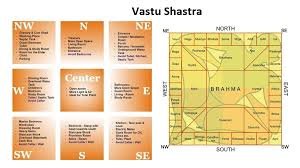
Most people live in their homes for years without ever consciously working with these energy zones. Yet, Vastu Shastra—the ancient Indian science of architecture—reveals that every home is divided into specific directional zones. Each zone is governed by a natural element (Earth, Water, Fire, Air, and Space) and a cosmic force.

When we align our physical space with these natural Vastu elements, we ensure that the Prana (life force energy) within our living space supports health, prosperity, and peace.

Understanding the Vastu Map: The 5 Elements and Directions

Think of your home as an energy map. The zone that is most cluttered or blocked is often the area of your life that feels the most stuck. According to Vastu Shastra, here is how the primary directions and natural elements govern your daily reality:

  • North (Water / Kubera Zone): The direction of abundance, career growth, and financial flow.
  • East (Solar Energy / Indra Zone): The source of health, vitality, focus, and new beginnings.
  • South (Earth / Yama Zone): The zone of fame, reputation, and grounding stability.
  • West (Water / Varuna Zone): The area governing creativity, financial gains, and the completion of tasks.
  • Northeast (Water / Ishanya Zone): The most sacred corner, dedicated to wisdom, spirituality, and divine clarity.
  • Southeast (Fire / Agneya Zone): The energy center for health, digestion, and physical vitality.
  • Southwest (Earth / Nairutya Zone): The heaviest zone, providing essential stability, strength, and relationship harmony.
  • Northwest (Air / Vayavya Zone): The zone of movement, networking, and helpful connections.

The Room-by-Zone Vastu Guide

Placing rooms in their correct Vastu directions ensures that the function of the room matches the natural energy of that space. Here is the ideal placement guide for a balanced home:

Vastu Direction Ideal Room / Usage The Vastu Reasoning
North-East Pooja Room / Meditation Known as the Ishanya corner, it is the most sacred and highly charged zone, perfect for spiritual clarity.
East Study Room / Living Area Benefitting from the morning sun, this zone promotes focus, intelligence, and positive social ties.
South-East Kitchen This is the Agni (Fire) zone. Placing the heart of the home here ensures health and physical vitality.
South Bedroom or Storage A zone of stability. Ideal for deep rest or storing heavy items to ground the energy of the house.
South-West Master Bedroom The heaviest zone (Earth element), providing the stability and leadership needed for the head of the family.
West Dining Room / Children’s Room A highly auspicious area for family gatherings, nourishment, and the successful completion of tasks.
North-West Guest Room / Bathroom The Vayu (Air) zone. Ideal for spaces that see movement, transition, or temporary stays (like guests).
North Home Office / Treasury Governed by Kubera (the lord of wealth), this is the optimal spot for a workspace, safe, or keeping valuables.

Key Areas for Vastu Optimization

1. The Entrance (The Mouth of Energy)

The main entrance is where both people and cosmic energy enter the home. Ideally, your main door should face the North, East, or Northeast.

  • Keep it clear: Ensure the entrance area is well-lit, welcoming, and entirely clutter-free.
  • Mirror placement: Avoid placing a mirror directly facing the main door, as it will bounce incoming positive energy back out.

2. The Kitchen (The Source of Vitality)

Because the kitchen represents the fire element, the Southeast is the most auspicious location.

  • Cooking direction: Place the stove so that the person cooking faces East while preparing meals.
  • Element separation: Keep the sink (Water) and the stove (Fire) as far apart as possible to prevent conflicting energies from causing household friction.

3. The Master Bedroom (The Space for Rest)

For grounding energy, authority, and a restful night’s sleep, the Master Bedroom must be in the Southwest.

  • Sleeping direction: Position your bed so that your head points South or East. Never sleep with your head pointing North.
  • Tranquility: Avoid placing a mirror directly in front of the bed where it reflects you while sleeping, as this is believed to cause restlessness and drain energy.

Simple Vastu Tips for Immediate Balance

If you cannot change the architectural structure of your home, you can still enhance the Vastu and clear blocked energy through small, intentional adjustments:

  • Welcome the Light: Keep the North and East windows open in the morning to invite fresh Prana and purifying sunlight into your space.
  • Clear the Brahmasthan: The absolute center of your house (the Brahmasthan) represents the Space element. It should ideally be kept open, well-lit, and free of heavy furniture to allow energy to circulate freely.
  • Clear the Blocks: Take a mindful walk through your home today. If you notice a specific zone feels heavy, dark, or cluttered, take fifteen minutes to clear it. You will often find that the corresponding area of your life begins to flow again.

Vastu Shastra is not about rigid, fear-based rules; it is about creating a home that feels like a true sanctuary. By aligning your living space with these natural principles, you create an environment that actively works for you, rather than against you.

What is one small change you can make to your home’s energy today? ✨ For expert Vastu guidance, astrology insights, or customized consultations, connect with us today at 9889218750.

Capricorn: The Architect of the Zodiac

The Ultimate Guide to Capricorn (Makara) in Vedic Astrology

In the realm of Vedic astrology, Capricorn—known as Makara—is the foundational tenth sign of the zodiac. Represented by the mystical creature with the upper body of a goat and the tail of a fish, Makara symbolizes a unique dual ability: to scale the highest mountain peaks of material ambition and to navigate the deep, emotional waters of the soul.

As an Earth sign ruled by Saturn (Shani), Capricorn is the powerhouse of the zodiac. It is governed by structure, unyielding discipline, and the relentless pursuit of excellence. But there is a science to this sign that goes beyond mere personality traits.

Demystifying Capricorn: Core Characteristics

Capricorns are often misunderstood as being “all work and no play.” However, true Vedic astrology reveals a much more layered personality whose primary drive is ultimate stability.

  • Earthly Pragmatism: Grounded in reality, Capricorns deal in facts, not fantasy. If a plan lacks practical application, they simply will not waste their energy on it.
  • The Saturnian Influence (Shani): Saturn is the cosmic taskmaster. This planetary rulership gives Capricorns an innate sense of duty and a high threshold for hardship. They are the living embodiment of the phrase, “Rome wasn’t built in a day.”
  • Karmic Justice: Governed by the planet of karma, they deeply understand the law of cause and effect. They work hard because they know that shortcuts eventually lead to dead ends.
  • Reserved Nature: Often appearing serious or stoic, this isn’t a lack of emotion. Rather, Capricorns prefer to observe, calculate, and engineer a safe space before sharing their rich inner world.

The Three Nakshatras of Capricorn: Finding Your Cosmic Flavor

In Vedic astrology, zodiac signs are further divided into lunar mansions called Nakshatras. Knowing which specific Nakshatra your planets fall into provides a pinpoint accurate look at your unique “Capricorn flavor.”

Capricorn contains the final three quarters of Uttarashada, the entirety of Shravana, and the first half of Dhanishta.

1. Uttarashada (The Universal Star)

  • Range: 26°40′ Sagittarius to 10°00′ Capricorn
  • Ruling Planet: Sun (Surya)
  • The Insight: Known as the star of “permanent victory,” this Nakshatra manifests in Capricorn as profound leadership and a soul-level need to contribute to society. These individuals are deeply principled, possessing an almost invincible willpower and a strong moral compass.

2. Shravana (The Star of Learning)

  • Range: 10°00′ to 23°20′ Capricorn
  • Ruling Planet: Moon (Chandra)
  • The Insight: Symbolized by an Ear, Shravana is the only Nakshatra in Capricorn ruled by the Moon, making it the most sensitive and intuitive sector of the sign. People with strong Shravana placements are exceptional listeners, lifelong students, and possess a deep connection to oral traditions, music, and counseling.

3. Dhanishta (The Star of Symphony)

  • Range: 23°20′ Capricorn to 6°40′ Aquarius
  • Ruling Planet: Mars (Mangal)
  • The Insight: Symbolized by a drum or a flute, Dhanishta injects the fiery energy of Mars into Saturn’s disciplined sign. This creates a highly driven, wealthy, and dynamic personality. In the Capricorn half, the focus is heavily on organizational power and achieving rhythmic, structured success in the material world.

Astro Engineering: The Science of Real Astrology

To truly understand signs like Capricorn, we must shift our perspective from passive fortune-telling to Astro Engineering.

Real astrology is not superstition; it is the mathematical and geometric mapping of cosmic time and human potential. Astro Engineering uses the astrological birth chart as a highly precise blueprint. Just as an architect engineers a building for structural integrity, Astro Engineering helps you map out your life:

  • Diagnosing Strengths & Weaknesses: Pinpointing exact planetary degrees to understand your psychological framework.
  • Timing Systems (Dashas): Engineering your career and life moves based on algorithmic planetary cycles rather than blind luck.
  • Structural Remedies: Applying practical, lifestyle, and behavioral adjustments to align with planetary frequencies (like channeling Saturn’s discipline into a startup).

Capricorn is the ultimate Astro Engineer of the zodiac—taking the raw materials of ambition and forging them into a lasting legacy.

Embrace Your Makara Energy

To vibrate with the highest frequency of Capricorn, you must balance ambition with empathy. While the goal is to reach the summit, the journey is vastly more successful when you take a moment to truly listen (Shravana) and act with unshakeable integrity (Uttarashada).

Whether you are navigating a major career shift or building a personal legacy, the Capricorn energy in your chart provides the “iron” you need to stay the course.

Ask yourself: Do you feel more aligned with the stoic, hardworking side of Saturn, or do you resonate deeply with the intuitive, “listening” side of the Shravana Nakshatra?


Unlock Your Blueprint with Real Astro Engineering Stop guessing and start engineering your success. For an in-depth, personalized astrological consultation,

connect with us today: 📞 Contact: 9889218750

Mula Nakshatra: Unearthing the Power of Roots and Transformation

Mula Nakshatra: Unearthing the Power of Roots and Transformation

In the celestial journey of the soul, few Nakshatras carry as much weight, mystery, and transformative potential as Mula. Positioned at the very beginning of Sagittarius (0° to 13°20′), Mula is the 19th Nakshatra and marks a pivotal cosmic threshold—the “Galactic Center”—where absolute destruction meets profound rebirth.

Known as the “Star of Roots,” Mula is not just about fresh beginnings; it is about reaching the absolute, unfiltered core of existence.

The Essence of Mula: Stripping Away the Illusion

The word Mula literally translates to “root,” “origin,” or “foundation.” Much like a skilled gardener must pull weeds out by their deepest roots to allow a new garden to flourish, Mula energy forces us to uproot everything in our lives that no longer serves our highest purpose.

  • Ruling Planet: Ketu (The South Node of the Moon) – The planet of spiritual liberation, detachment, and sudden insights.
  • Symbol: A tied bunch of roots or a lotus without a stalk.
  • Presiding Deity: Nirriti (The Goddess of Dissolution and Alchemical Destruction).

While the association with Nirriti can seem daunting to the uninitiated, it represents necessary “creative destruction.” Before a grand new structure can be built, the old, decaying foundation must be entirely cleared away.

Deep Symbolic Meanings

  • The Tied Roots: Represents our deep karmic ties. It points to the necessity of delving into our subconscious, our ancestry, and our past lives to find the hidden truth.
  • The Banyan Tree: With roots that grow downward from its branches, it symbolizes hidden strength, ancient wisdom, and the ability to find unshakeable support in unconventional ways.
  • Fire and Ash: Mula represents the “cleansing by fire”—the rigorous process where life’s trials burn away the superficial ego, leaving behind only the pure, indestructible essence of the soul.

The Four Padas (Quarters) of Mula

Each quarter of this Nakshatra filters its intense energy through a different lens, bringing a unique flavor to its transformative power:

  • Pada 1 (Aries Navamsa – Initiator): Focused on action and bravery. These individuals are spiritual warriors, using their sheer courage to break through obstacles and pioneer new paths.
  • Pada 2 (Taurus Navamsa – Grounded): The practical side of Mula. This pada brings a methodical approach to transformation, focusing on material stability, occult research, and building a secure foundation after the storm.
  • Pada 3 (Gemini Navamsa – Explorer): The intellectual seeker. These natives use exceptional communication and relentless curiosity to “dig” into hidden information, making them brilliant researchers.
  • Pada 4 (Cancer Navamsa – Healer): The emotional guide. This pada brings a deeply nurturing quality to the intensity of Mula, using profound intuition to help guide others through their own painful life transitions.

Key Traits of Mula Natives

Those born under Mula are the ultimate “truth-seekers” of the zodiac. They possess an innate intensity and a steadfast refusal to accept the superficial.

  • Fearless Investigation: They naturally excel in research, investigation, astrology, and any field that requires getting to the bottom of a complex mystery.
  • Spiritual Depth: Because Ketu rules this star, there is a natural, magnetic pull toward liberation (Moksha) and a deep understanding of the metaphysical world.
  • Unmatched Resilience: Mula natives often experience significant “uprooting” events. However, their true superpower is their ability to rebuild themselves from the ashes, rising stronger and wiser every time.

Navigating Mula Energy: Practical Remedies (Upayas)

Because Mula deals with intense Ketu energy, simple, grounded remedies can help channel its power positively:

  1. Connecting with Roots: Spending time in nature, particularly tending to plants, gardening, or sitting near ancient trees like the Banyan, helps ground the erratic energy.
  2. Ancestral Healing: Honoring one’s lineage and ancestors brings immense peace to Mula natives.
  3. Mindfulness & Letting Go: Regularly decluttering physical spaces and practicing meditation to release attachments helps satisfy Ketu’s demand for detachment.

🌟 Master the Science of the Stars with Astro-Engineering

Mula Nakshatra teaches us that every ending is merely a prerequisite for a more authentic beginning. But you don’t have to navigate these cosmic energies in the dark.

Are you fascinated by the profound depths of Nakshatras like Mula? Stop guessing and start predicting.

Whether you are a spiritual seeker wanting to decode your own destiny or an aspiring astrologer ready to turn your passion into a profession, our Astro-Engineering Certification Course is your definitive guide.

Why Choose Astro-Engineering?

  • Complete 6-Month Curriculum: A highly structured journey from the absolute basics to advanced predictive techniques.
  • Focus on Accuracy: Learn clear, step-by-step methodologies designed specifically for sharp, reliable predictions.
  • Actionable Wisdom: Go beyond theory. Master highly effective, short remedies (Upayas) that bring real, tangible relief to everyday problems.

Unlock the blueprint of the cosmos. Reach the root of your true potential.

🌐 Explore your personalized Kundli and enroll today at: AstroEngineering.in
📞 Connect with our Admissions Team: 9889218750

Vedic Importance of New Moon and Full Moon

How the New Moon and Full Moon Shape Our Inner World

In the celestial language of Vedic astrology (Jyotish), the Moon (Chandra) is the ultimate significator of the Manas—our mind, emotions, and sensory perception. While the Sun represents our soul and outward ego, the Moon quietly governs our internal landscape and psychological well-being.

Because the Moon is the fastest-moving celestial body, its shifting phases create a rhythmic “tide” within our consciousness. Understanding the profound cycle of the New Moon (Amavasya) and the Full Moon (Purnima) is essential for maintaining emotional balance, psychological resilience, and mental peace.


The New Moon (Amavasya): The Seed of Intention

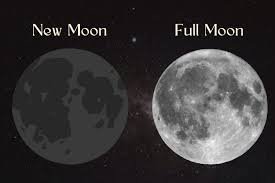
The New Moon occurs when the Moon is positioned precisely between the Earth and the Sun, rendering it invisible in the night sky. In astrology, this phase represents a powerful time of internalization, darkness, and cosmic reset.

Impact on Mental Health & Energy:

  • Deep Introspection: You may feel a natural “pulling in” of your energetic field. It is a period where the mind actively seeks rest rather than external stimulation.
  • Physical & Emotional Quietness: Some individuals experience a slight dip in physical vitality or a sense of emotional withdrawal. This is the body’s natural response to the lunar lull.
  • The Blank Slate: Mentally, Amavasya is the most fertile time for manifestation. Because the cosmic slate is wiped clean, it is the ideal window to plan new projects, set boundaries, or decide which habits you wish to cultivate in the coming month.

Lunar Ritual: Use the New Moon for meditation, journaling, and quiet planning. Focus your energy purely on what you want to begin.


The Full Moon (Purnima): The Peak of Expression

The Full Moon occurs when the Earth sits between the Sun and the Moon, allowing the lunar surface to reflect the Sun’s light entirely. This is the absolute peak of the lunar cycle, where cosmic energy is at its most potent, luminous, and “loud.”

Impact on Mental Health & Energy:

  • Emotional Amplification: The Full Moon acts as a celestial magnifying glass. Whatever you are currently feeling—be it joy, anxiety, passion, or stress—will likely feel significantly more intense. This explains why many people report restless sleep, vivid dreams, or heightened sensitivity during Purnima.
  • High-Stakes Decision Making: Because emotions are running high, deep mental peace is required to avoid impulsive choices. The Full Moon is a time for culmination, completion, and release, rather than starting something brand new.
  • Psychological Breakthroughs: For those who practice mindfulness, this phase can trigger great emotional healing. Hidden feelings often rise to the surface to be acknowledged, processed, and released.

Lunar Ritual: Purnima is a powerful time for “cleansing” rituals and letting go of what no longer serves you. It is also the perfect opportunity to charge your natural gemstone collection under the moonlight to revitalize their natural vibrations. (Note: Never charge your stones during a lunar eclipse, as eclipse energy is considered volatile and inauspicious).


Astrological Remedies: Balancing the Lunar Tides

Maintaining emotional stability throughout these shifting phases is the key to both professional success and personal harmony. When the lunar cycle feels particularly intense or overwhelming, consider these grounding practices:

  • Hydration: Since the Moon governs the water element (Jala Tatva) in our bodies, staying hydrated helps stabilize your internal physical rhythm.
  • Wear Silver or Natural Pearl: In astrological tradition, wearing silver or a Jyotish-quality, un-drilled Natural Pearl (Moti) can help “cool” mental heat, soothe an overactive mind, and balance lunar afflictions.
  • Breathwork (Pranayama): Conscious breathing acts as a physical anchor, ensuring that the heavy “waves” of the lunar phases don’t pull you off your emotional center.

By consciously aligning your life with the lunar pulse—planting seeds of intention at the New Moon and releasing emotional baggage at the Full Moon—you can transform a chaotic mental cycle into a structured, peaceful path toward clarity.


Are you feeling the intense emotional shifts of the current lunar phase? Find your balance and understand your unique astrological blueprint

📞 Book a personalized consultation today at: +91 9889128750

Akshaya Tritiya: The Day of Eternal Abundance & Prosperity

Akshaya Tritiya (or Akha Teej) is one of the most powerful days in the Vedic calendar. Falling in the month of Vaisakha, “Akshaya” means “never diminishing” or “eternal.” Any meaningful endeavor, investment, or charity started on this day is believed to yield everlasting benefits.

🌟 Astrological Significance

Akshaya Tritiya is a Sade-Teen Muhurta—a rare day that is highly auspicious from sunrise to sunset, requiring no special astrological calculations to start something new.

  • Exalted Luminaries: Both the Sun (in Aries) and the Moon (in Taurus) reach their highest points of exaltation simultaneously.
  • Perfect Balance: This rare alignment creates profound harmony between the soul’s purpose (Sun) and the mind’s peace (Moon), making it the ultimate time for long-term planning and spiritual growth.

🕊️ Key Rituals for Prosperity

To harness the energy of this day and invite the blessings of Lord Vishnu and Goddess Lakshmi, practitioners observe several sacred traditions:

  • Daan (Charity): Because rewards today are eternal, donating essentials like water, food, umbrellas, or fans brings everlasting merit.
  • Vaisakha Snan (Holy Bath): Bathing in a sacred river or adding a few drops of Ganga Jal to your bath purifies the soul.
  • Buying Gold or Silver: Purchasing precious metals is a widely practiced tradition to invite permanent wealth into the home.

The Sacred Jau (Barley) Ritual

Barley is considered one of the universe’s first grains and carries the energy of Lord Vishnu.

  1. The Offering: Take a bowl of Jau grains.
  2. The Blessing: Chant the Vishnu Sahasranamam (1000 names of Vishnu) to “charge” the grains with divine vibrations.
  3. The Seva: Offer the sanctified grains to the feet of Lord Krishna to dissolve past karmas and ensure an unending storehouse of merit.

🪷 Chandan Yatra & Rare Darshan

Akshaya Tritiya marks the start of the Chandan Yatra festival, especially prominent in Vrindavan and Puri.

  • Cooling Chandan Abhishek: To provide relief from the intense summer heat, deities are coated in a fragrant, cooling paste of sandalwood (Chandan), camphor, and saffron.
  • A Rare Blessing: In many revered temples (like Shri Bankey Bihari), Akshaya Tritiya is the only day of the year when the Lotus Feet of the deity are fully visible to the public, drawing thousands of devotees.

The Takeaway: Whether you are starting a new business, investing in your future, or deepening your spiritual practice, Akshaya Tritiya offers the perfect cosmic foundation for success that never fades.

For your birthchart specific ritual connect with us on 9889218750

Understanding Mercury Conjunctions in Astroengineering

The Mechanics of the Mind: Understanding Mercury Conjunctions in Astroengineering

In the precise science of Astroengineering, planetary alignments are not merely celestial events; they are structural blueprints for human consciousness and professional capability. Mercury (Budha) operates as the cosmic transmission line—governing intellect, data processing, and our external communication grid.

Because Mercury is a highly adaptive energetic force, it recalibrates its frequency based on the planets it aligns with. When Mercury forms a conjunction in your birth chart, it generates a highly specific psychological and operational algorithm. Here is an exploration of how Mercury’s energetic output transforms when paired with other planetary forces.

1. Mercury and Sun (Budh-Aditya Yoga)

This powerful alignment fuses the solar core (the soul) with the analytical engine (the intellect). It architects a personality built for executive leadership and elite scholarship.

  • Cognitive Output: Generates sharp intellect, commanding leadership, and authoritative decision-making.
  • Structural Nuance: Fosters a brilliant mind capable of engineering complex solutions with supreme confidence. The operational challenge is ensuring that intellectual pride does not override the necessity for collaborative, team-based input.

2. Mercury and Moon

When the logic processor integrates with the emotional matrix, the result is a highly intuitive and expressive mind. This is a classic foundational placement for writers, conceptual artists, and empathetic communicators.

  • Cognitive Output: Heightens imagination and sensitivity; data is processed intuitively rather than strictly logically.
  • Structural Nuance: Produces a beautiful, highly creative flow of expression. The engineering challenge lies in grounding these fluctuating mental frequencies to ensure emotional tides do not cloud objective decision-making.

3. Mercury and Mars

This conjunction creates a high-velocity cognitive alignment. It infuses communication with tactical force, speed, and analytical aggression, forging a formidable opponent in any intellectual arena.

  • Cognitive Output: Results in logic-based, rapid-fire speech, sharp wit, and elite troubleshooting capabilities.
  • Structural Nuance: Individuals with this placement possess minds built for rapid analysis and strategic problem-solving. To optimize this energy, they must consciously temper their directness to prevent unnecessary verbal friction.

4. Mercury and Jupiter

As one of the most structurally sound alignments, this combination optimizes the synthesis of data (Mercury) and universal wisdom (Jupiter). It creates a natural counselor or educator who can seamlessly simplify complex cosmic truths.

  • Cognitive Output: Blesses the chart with profound clarity, ethical grounding, and elite teaching abilities.
  • Structural Nuance: Expands the mental bandwidth, allowing the individual to process both microscopic details and macroscopic philosophies. It establishes a global reputation for high-caliber, trusted communication.

5. Mercury and Venus

When the communication grid harmonizes with the planet of aesthetics, speech becomes an art form. This placement is synonymous with diplomacy and the innate ability to navigate complex social structures with ease.

  • Cognitive Output: Delivers charming, diplomatic articulation and sophisticated, artistic thinking.
  • Structural Nuance: Ideal for luxury branding, public relations, and the arts. It grants a refined articulation capable of resolving disputes with grace, aesthetic precision, and absolute tact.

6. Mercury and Saturn

Saturn provides the rigid framework that adaptive Mercury often lacks. This conjunction grounds intellectual energy into a disciplined, long-term structural framework built for endurance.

  • Cognitive Output: Forges a deep-thinking, methodical mind optimized for rigorous analysis, heavy research, and strategic planning.
  • Structural Nuance: Produces expert-level focus and unshakeable professional reliability. To maximize this placement, one must consciously cultivate optimism to counterbalance the heavy, restrictive gravity of Saturn.

7. Mercury and Rahu

Rahu amplifies Mercury’s processing power to an extraordinary degree, pushing cognitive boundaries into unconventional territories. This is the hallmark of the modern innovator and the master strategist.

  • Cognitive Output: Sparks genius-level, out-of-the-box ideas; highly effective in global tech, media, and digital scaling.
  • Structural Nuance: This pairing identifies systemic shortcuts and unprecedented opportunities invisible to others. It requires a strict ethical framework to ensure this high-voltage mental energy is utilized for constructive, sustainable growth.

8. Mercury and Ketu

Ketu detaches the analytical mind from the material plane, rewiring it for metaphysical processing. This results in an intellect that operates almost entirely on pure intuition and abstract data streams.

  • Cognitive Output: Enables profound intuitive communication and seamless access to spiritual or abstract concepts.
  • Structural Nuance: Cultivates “silent wisdom.” These individuals thrive on non-verbal understanding and deep metaphysical exploration, often bypassing traditional linguistic structures or superficial interactions entirely.

Master Your Planetary Blueprint

Every conjunction in your natal chart is a specific mechanical tool designed for navigating the material and spiritual world. Mapping how Mercury interacts with its neighboring forces is the vital first step in engineering your ultimate cognitive and communicative potential.

To decode the unique planetary algorithms of your birth chart and strategically align your personal or corporate trajectory, book a comprehensive Astroengineering consultation today:

Call / WhatsApp: 9889128750

What Your Rahu-Ketu Axis Reveals About You?

The Karmic Compass: What Your Rahu-Ketu Axis Reveals About You

In the analytical framework of astrology, the Rahu-Ketu axis represents the ultimate karmic compass of your life. They are not physical planets, but mathematical points of intersection that dictate your evolutionary journey.

Rahu represents your soul’s insatiable hunger, your current life’s ambitions, and the uncharted territory you are meant to conquer. It is the realm of material desire, innovation, and expansion. Ketu, conversely, represents your past life mastery, innate talents, and spiritual detachment. It shows where you already feel comfortable, but also where you must learn to let go. Together, they form an axis of growth: Ketu is your foundation, and Rahu is your destination. True success lies in engineering a perfect balance between the two.

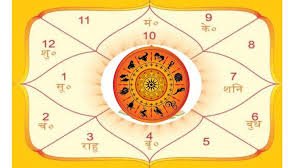
Here is how this powerful axis operates across the 12 houses of your chart:

1. Rahu in the 1st House / Ketu in the 7th House

  • The Interpretation: Rahu in the ascendant drives an intense focus on self-mastery, personal identity, and public image. You possess a relentless drive for name and fame. However, Ketu in the 7th house can create emotional distance or confusion in partnerships, making it challenging to fully connect with others.
  • Key Growth Point: Your karmic lesson is balancing the “me” with the “we.” Strive for self-actualization, but do not burn the bridges that connect you to your partners.

2. Rahu in the 2nd House / Ketu in the 8th House

  • The Interpretation: Your focus naturally gravitates toward building wealth, accumulating family assets, and securing financial stability. While Rahu here can lead to sensory indulgences, Ketu in the 8th house makes you hesitant to dive into deep emotional waters, hidden truths, or psychological transformation.
  • Key Growth Point: Recognize that true security is not just a high bank balance. Cultivate your inner resilience and emotional strength to support your material wealth.

3. Rahu in the 3rd House / Ketu in the 9th House

  • The Interpretation: Rahu in the 3rd equips you with immense courage, strategic communication skills, and a fiercely independent working style. Ketu in the 9th brings a natural skepticism toward traditional dogma, organized religion, or blind faith, prompting you to question established beliefs.
  • Key Growth Point: You are a self-taught innovator. Trust your journey of practical, hands-on discovery rather than relying on inherited philosophies.

4. Rahu in the 4th House / Ketu in the 10th House

  • The Interpretation: You harbor a deep, restless desire for emotional security, domestic peace, and property accumulation. Conversely, Ketu in the 10th house can manifest as a lack of attachment to corporate authority, high-status titles, or a confusing career trajectory.
  • Key Growth Point: The challenge is to build a successful outer life without sacrificing your inner sanctuary. Your private happiness is the essential foundation for any public success.

5. Rahu in the 5th House / Ketu in the 11th House

  • The Interpretation: Rahu here fuels a powerful need for creative expression, romance, and recognition of your unique intellect. You want your talents to be spotlighted. Ketu in the 11th house, however, creates a sense of detachment from large social networks, corporate cliques, or massive crowds.
  • Key Growth Point: Your ultimate path lies in individual creativity and intelligence. Focus on refining your unique talents rather than seeking validation from the masses.

6. Rahu in the 6th House / Ketu in the 12th House

  • The Interpretation: You are a driven, hardworking problem-solver who thrives on overcoming competition and mastering daily routines. Ketu in the 12th house suggests a past-life mastery of spirituality, sometimes creating a tendency toward isolation or a detachment from foreign, unseen realms.
  • Key Growth Point: As you conquer material challenges and daily obstacles, ensure you still carve out time to protect and nurture your inner stillness and spiritual health.

7. Rahu in the 7th House / Ketu in the 1st House

  • The Interpretation: Partnerships and public dealings are the focal points of your life; you actively seek out others for direction and emotional support. Ketu in the 1st house, however, can create a “fog” regarding your own self-identity and personal boundaries.
  • Key Growth Point: You must learn to define, know, and love yourself as an independent individual before becoming overly reliant on the reflection provided by your partners.

8. Rahu in the 8th House / Ketu in the 2nd House

  • The Interpretation: You are magnetically drawn to research, the occult, sudden transformations, and uncovering hidden knowledge. Ketu in the 2nd house creates a profound detachment from conventional family traditions, rigid values, or traditional wealth accumulation.
  • Key Growth Point: Yours is a life of continuous, profound transformation. Balance your deep psychological insights with the practical necessity of maintaining material stability.

9. Rahu in the 9th House / Ketu in the 3rd House

  • The Interpretation: Rahu here fuels a grand search for higher meaning, global purpose, and cross-cultural exploration. Ketu in the 3rd house can make you easily bored by small talk, mundane daily tasks, or the micro-efforts required for routine success.
  • Key Growth Point: A grand, philosophical vision will eventually dissolve without consistent execution. You must bridge your high-level beliefs with disciplined, daily action.

10. Rahu in the 10th House / Ketu in the 4th House

  • The Interpretation: You are exceptionally ambitious, driven by a desire for career dominance, leadership, and public recognition. Ketu in the 4th house can result in emotional distance from your homeland, domestic life, or maternal figures.
  • Key Growth Point: Do not sacrifice your personal heart-space while scaling the mountain of success. Professional achievements are infinitely sweeter when you have a secure home to return to.

11. Rahu in the 11th House / Ketu in the 5th House

  • The Interpretation: Your energy is highly focused on expansive social networking, large-scale financial gains, and manifesting massive collective goals. Ketu in the 5th house can create a distance from personal hobbies, individual romance, or the simple joys of personal creation.
  • Key Growth Point: While you are busy building vast networks and manifesting big dreams, do not forget to pause and engage in the simple, creative moments that bring pure, personal joy.

12. Rahu in the 12th House / Ketu in the 6th House

  • The Interpretation: Rahu draws you toward spiritual liberation, deep meditation, foreign lands, and the subconscious mind. Ketu in the 6th house suggests you have already mastered—and are now entirely bored by—mundane routines, office politics, and daily disciplined labor.
  • Key Growth Point: Your goal is to integrate your vast spiritual inner world with your necessary daily responsibilities. Spiritual growth should be used to enhance your earthly life, not as an excuse to escape it.

To get an in-depth, structurally accurate analysis of your birth chart, contact the experts at www.astroengineering.in or call 9889128750.