
Bada Mangal in Lucknow: The Sacred Tradition Started by Nawabs and Blessed by Hanuman Ji
Lucknow is known for its culture, hospitality, and timeless Ganga-Jamuni Tehzeeb. Among its many spiritual celebrations, Bada Mangal holds a unique place in the hearts of devotees. Dedicated to Lord Hanuman, Bada Mangal is celebrated on every Tuesday of the Hindu month of Jyeshtha and transforms the city into a vibrant center of devotion, charity, and unity.
What makes this festival extraordinary is its deep connection with the Nawabs of Awadh and the beautiful harmony between faiths that still defines Lucknow today.
What is Bada Mangal?
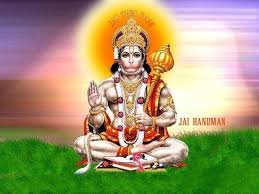
Bada Mangal is a special Hanuman worship tradition primarily celebrated in Lucknow and nearby regions of Uttar Pradesh. Devotees observe fasts, visit Hanuman temples, organize bhandaras, distribute sherbet and prasad, and chant Hanuman Chalisa throughout the day.
The festival is considered highly auspicious for:
- Removing obstacles from life
- Seeking protection from negative energies
- Gaining courage and strength
- Receiving blessings for health and prosperity
In Lucknow, Bada Mangal is not just a religious occasion—it is an emotion woven into the cultural fabric of the city.
The Fascinating Story Behind Bada Mangal
The origins of Bada Mangal are linked to the Nawabi era of Lucknow. According to historical legends, a Begum associated with the royal family of Awadh prayed to Lord Hanuman at the ancient Aliganj Hanuman Temple for the fulfillment of a wish. When her prayers were answered, she renovated the temple and began large-scale celebrations in gratitude.
Another popular version states that Nawab Saadat Ali Khan sought divine blessings from Hanuman Ji when his son was critically ill. After the prince recovered, the Nawab initiated grand Tuesday celebrations dedicated to Lord Hanuman.
These stories symbolize the spiritual unity and mutual respect that flourished in Lucknow during the Nawabi period.
The Role of Aliganj Hanuman Temple
The historic Hanuman temple in Aliganj is considered the heart of Bada Mangal celebrations. Every year, lakhs of devotees visit the temple to seek blessings and participate in rituals.
The temple becomes beautifully decorated with flowers, lights, devotional music, and continuous recitations of Hanuman Chalisa. Devotees believe that sincere prayers offered here during Bada Mangal bring divine protection and fulfillment of wishes.
Ganga-Jamuni Tehzeeb: The Soul of Bada Mangal
One of the most inspiring aspects of Bada Mangal is the spirit of communal harmony. People from all religions and communities actively participate in organizing bhandaras, serving water, distributing food, and helping devotees.
This tradition reflects Lucknow’s famous Ganga-Jamuni Tehzeeb, where spirituality rises above social and religious boundaries. Even today, several Muslim families continue the Nawabi tradition of organizing community feasts during Bada Mangal.
The festival beautifully teaches:
- Seva (selfless service)
- Compassion
- Unity
- Charity
- Spiritual togetherness
These bhandaras are not only acts of charity but are believed to bring immense spiritual merit. Serving food and water during the hot summer month of Jyeshtha is considered highly auspicious in Sanatan Dharma.
Spiritual Importance of Worshipping Hanuman Ji on Bada Mangal
Astrologically and spiritually, worshipping Lord Hanuman on Bada Mangal is believed to:
- Reduce the malefic effects of Mars and Saturn
- Protect against fear and negativity
- Improve courage and confidence
- Remove obstacles in career and life
- Enhance spiritual strength
Devotees often recite:
- Hanuman Chalisa
- Bajrang Baan
- Sundarkand
- Hanuman Ashtak
Offering sindoor, jasmine oil, boondi, and red flowers to Hanuman Ji is also considered highly beneficial.
Bada Mangal in Modern Times
Even in modern times, the essence of Bada Mangal remains unchanged. The festival continues to unite people through devotion and service. From traditional temples to modern community groups, thousands participate every year to keep this sacred legacy alive.
Social media, online seva groups, and youth volunteers have also helped expand the reach of this beautiful tradition while preserving its spiritual roots.
Final Thoughts
Bada Mangal is much more than a festival—it is a living symbol of faith, gratitude, charity, and unity. The centuries-old connection between the Nawabs of Lucknow and Lord Hanuman makes this tradition truly unique in Indian spiritual culture.
As devotees gather every Tuesday of Jyeshtha to chant the name of Bajrang Bali, Lucknow once again reminds the world that spirituality becomes most powerful when combined with compassion and harmony.
May Lord Hanuman bless everyone with strength, wisdom, protection, and success.
Book Consultation on 9889218750
Website www.astroengineering.in

 The Science & Symbolism: What Exactly is Amavasya?
 Why Amavasya is Your Doorway to New Beginnings
 The Ancestral Connection: Healing Your Roots
 5 Simple, Powerful Practices for Your Amavasya Reset
 Take Charge of Your Cosmic Energy
 :
: Book Your Personal Consultation:
 Align Your Stars Today:



 Consultations: Available Pan-India and at our Lucknow center.